6.9.05

Escaping reality?

I was thinkin' where did [lolita-culture] start::

As a lolita this is weird for me to think but all started just with dress up. And usually what ever they dress up they try to be someone else at least for a moment.

so i was thinkin' r they try to escape, are they trying to escape the reailty? And lolita has given me a feel that they imagineing a lot.So this imagineing is pretty much escaping?

then Alice in Wonderland? that definitely is, eventhough it's just a dream. I think most of the lolita's lover love it because of the story not just the clothes in some.

Vampires? well we don't actually know any facts about vampires or don't know even are they real. But still we live like vampires would be absolutely normal every day things.

Well these things show us that lolita-culture can be pretty much escaping our reality.I don't mean they'd all do that. but they/we can do that even without noticing it by ourselves.

so does it mean that people who wear unusal clothes that's mean that they are more likey to do that or recognize that?

is Lolita something they do to break away from school and jobs and people, but to seek their wonderland????

5.9.05

An article i have found on the internet, which is about the lolita/gothic***

Young people turn to neo-masochism, including wrist-cutting


A peculiar and disturbing current of "darkness" appears to have taken hold among some of today's younger generation of Japanese, writes clinical psychologist Yo Yahata in Sekai magazine.
He reports on some phenomena he has encountered among his young patients, such as exchanging email about wrist cutting (self-harm) and about their experiences of psychiatric treatment. He notes that those people tend to go for rock groups whose songs dwell on extremely grim subjects, like the group Mucc, which has come out with titles like "Despair," "To Shreds," "Heart Warped by Lies," and "After Death a Lump."

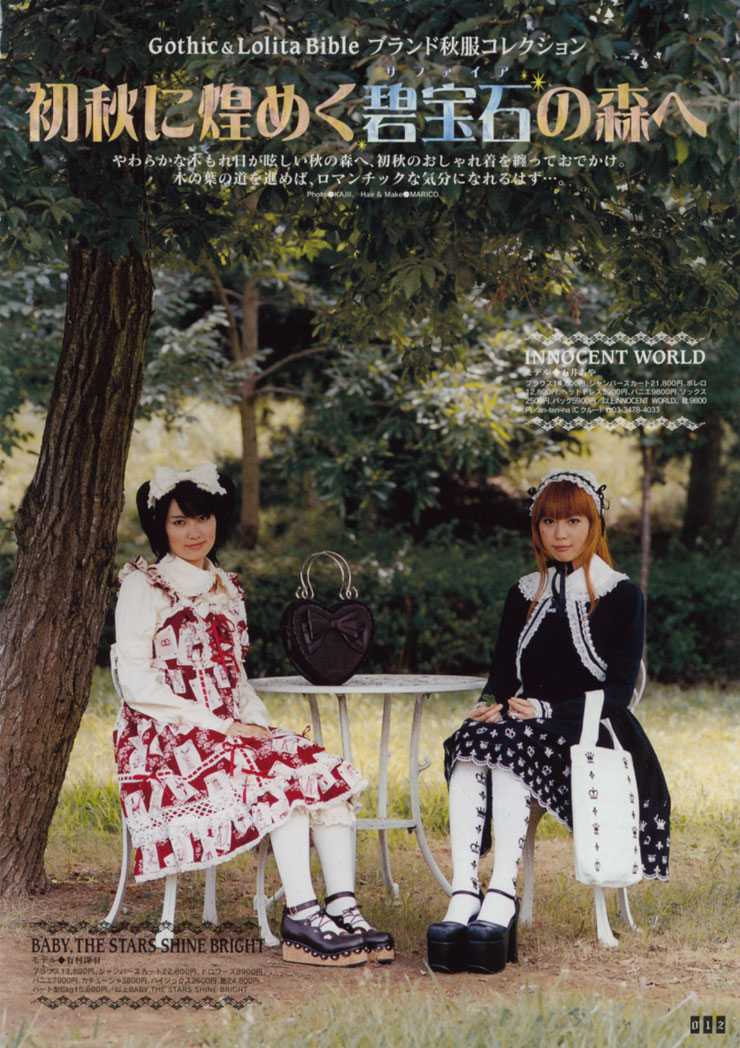
He also cites the fashion look called "gosurori," an abbreviation of the Japanese for "gothic Lolita," as a typical expression of this dark mentality. This look consists mostly of black, accentuated by bits of white, and in more extreme cases it clearly evokes an image of death.

Yahata uses the term neo-masochism to describe the psychology of these young people.
As he sees it, when they report on their wrist cutting and the like to others over the Internet, they are not displaying a sense of victimization, asking, "Who did this to me?" or anything of the sort; they are simply using these negative experiences as tools to establish close ties to others.
He offers his assessment that the neo-masochists' thinking represents no more than one aspect of the pervasive contemporary Japanese culture of dependency, in which people seek to avoid criticism and responsibility.

January 28, 2004

4.9.05

I recently read an article, and I have been thinking about it for a while now. The article told about a period in Japan, when they sold japanese school girls underpants in porn stores and vending machines! Kind of weird ey

?Well, anyway, this article said that Japan has a lolita-complex. That while in the west, a young woman are wanted because she in good shape, but she still is supposed to be acting like she is a grown-up, while in Japan, woman are supposed to seem as young as possible, even though she isn't that young. Therefore, things like giggling, tantrums, pouting and other child-like things are considered charming, on girls and woman. It also said that woman of Japan used to be seen as almost just a "sex-toy" and that is some of the reasons for womans behaviour there today.

In all this, is lolita-fashion a rebellion against this, ore is it a product of it?

1.9.05

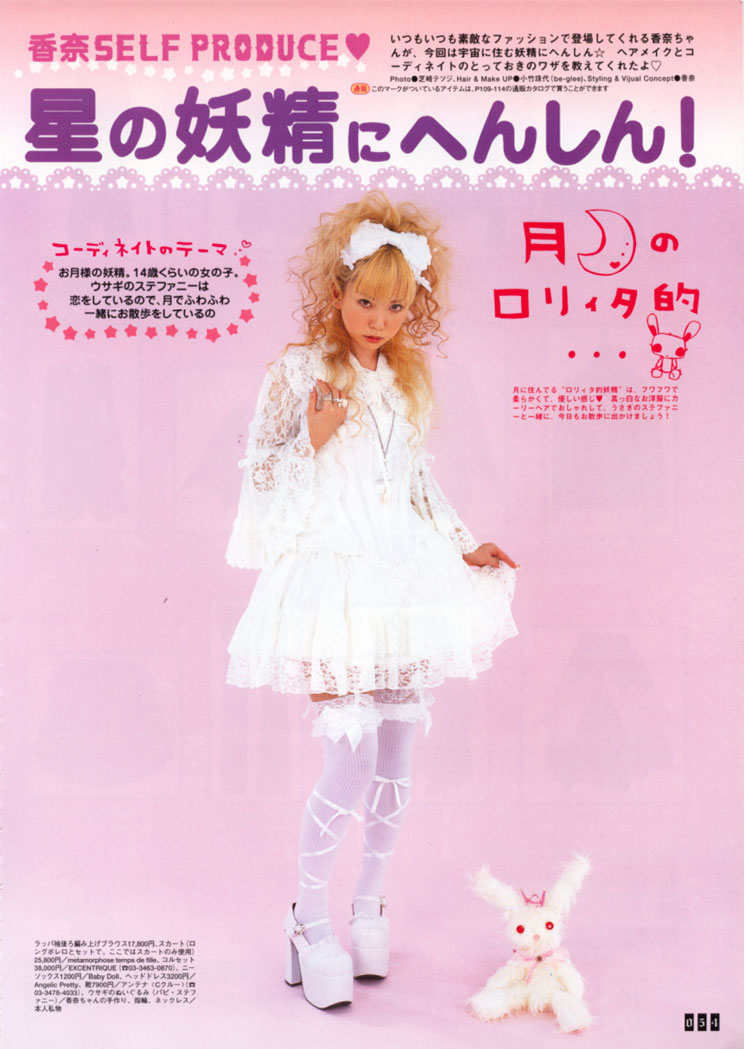
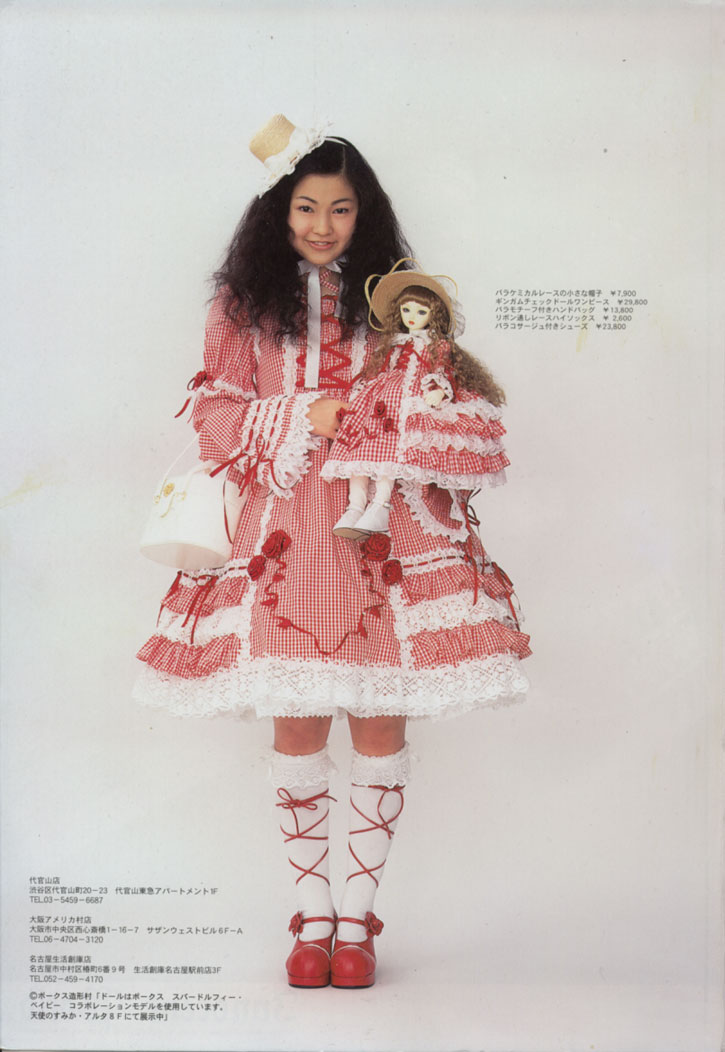
Gothic Lolita is still going strong in Japan where every weekend in the Harajuku district of Tokyo sweetly dressed young women congrigate to chat and giggle and have ther pictures taken by beguiled tourrists.